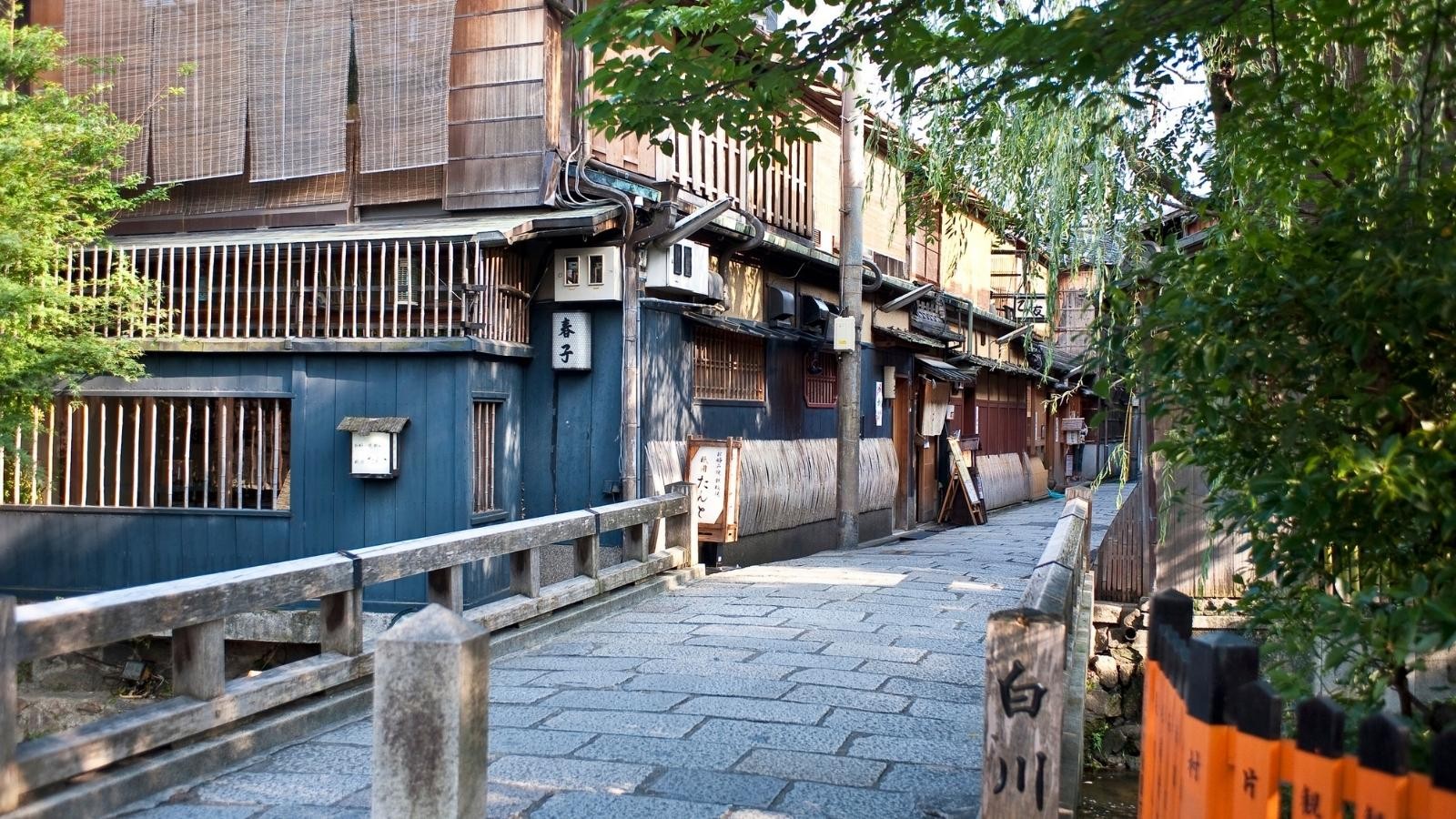
Kyoto's Hidden Temple Guide: 10 Secret Away from the Crowds
Discover peaceful temple gardens and authentic Kyoto culture at these crowd-free hidden gems
Most tourists visit the same three temples and shrine in Kyoto:
- The Golden Pavilion (Kinkakuji Temple)
- Fushimi Inari Taisha
- Kiyomizu-dera
The crowds are overwhelming!!!
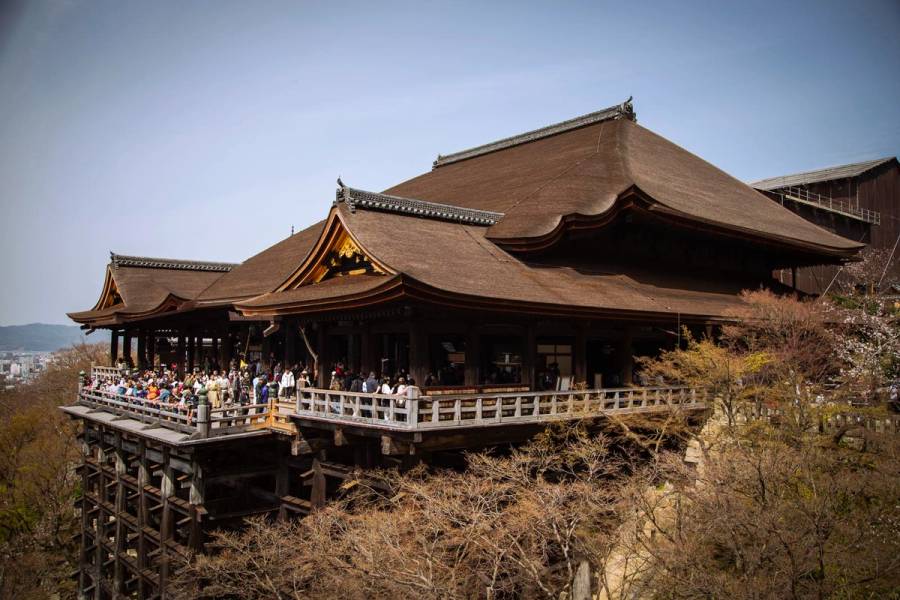
But Kyoto has over 2,000 temples. Hundreds remain blissfully quiet, offering the same beauty without the chaos.
This guide shows you where locals go when they want peace. These hidden temples work perfectly for a Kyoto bike tour, especially if you want to experience sustainable tourism while avoiding tourist traps.
1. Why Hidden Temples Matter
Kyoto welcomed over 10 million visitors in 2024. Famous sites like Kiyomizu-dera see 20,000 tourists daily. Local residents call it "kankō kōgai" (tourism pollution).
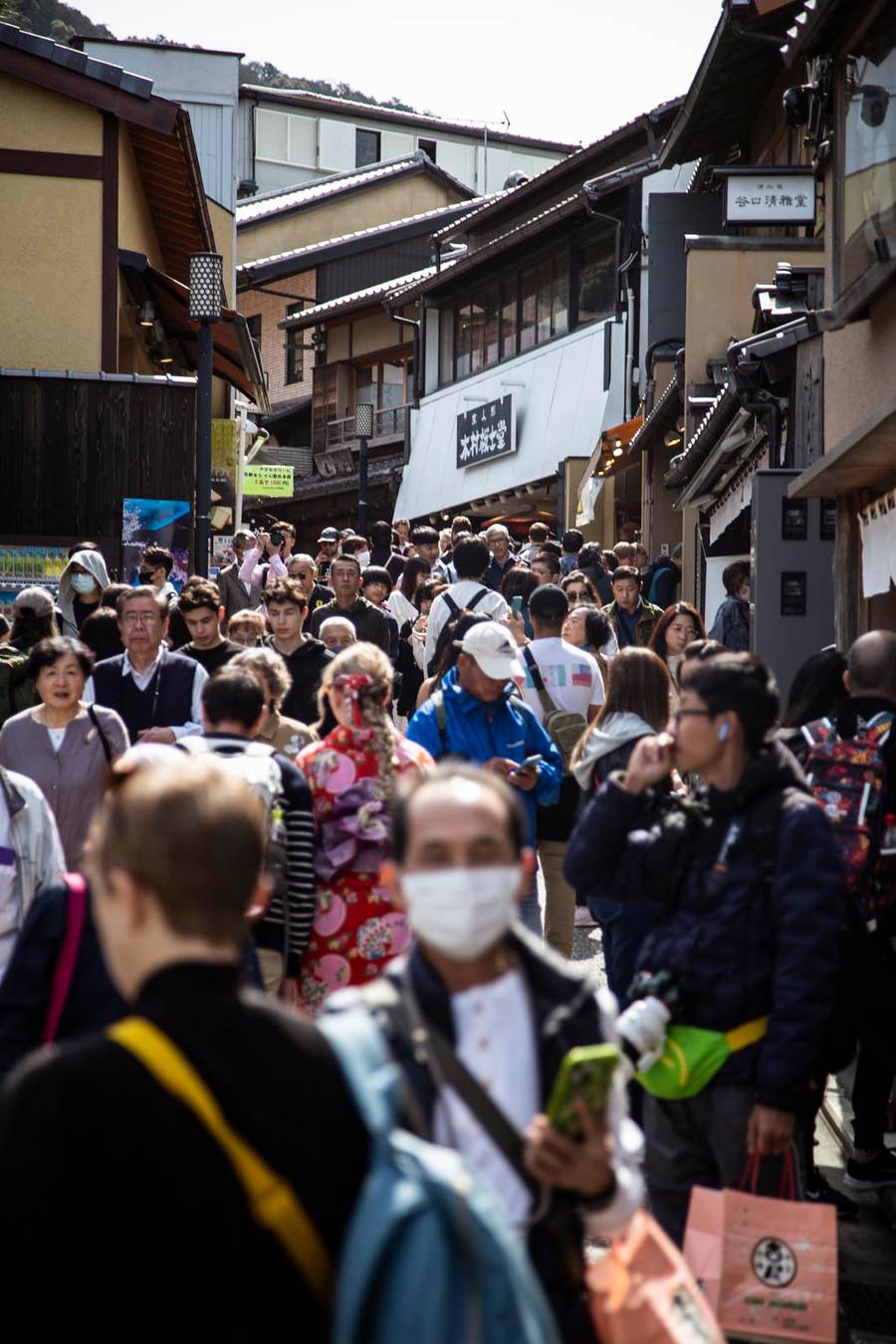
The solution? Visit the temples guidebooks ignore.
Hidden temples offer everything famous ones provide: beautiful gardens, deep history, cultural significance. But you can actually hear yourself think. You can sit in meditation rooms without crowds. You can experience what these sacred spaces were designed for: contemplation.
For a Kyoto bike tour, these locations are perfect. Most sit in quiet neighborhoods with easy bike access. E-bike tours make reaching outlying temples effortless, even in hilly areas.
2. Ikkyū-ji Temple: The Crown Jewel
Located in Kyōtanabe City (south of Kyoto), Ikkyū-ji Temple is my favorite hidden gem.
2.1. The History of Ikkyū-ji Temple
Zen master Ikkyu Sōjun restored this temple in 1455 after war destroyed it. He lived here his entire final years. The tea master Murata Jukō (founder of Japanese tea ceremony) visited regularly. Their conversations shaped what we now consider traditional Japanese culture.
2.2. What You Will See at Ikkyū-ji Temple
The temple houses nine Important Cultural Properties. Multiple Zen rock gardens, each with distinct character. The 17th-century garden is particularly good in autumn when maple trees turn crimson and gold.
You can try authentic Buddhist vegetarian cuisine here, prepared the way monks have eaten for centuries. The temple also sells Ikkyū-ji nattō (fermented soybeans), traditionally prepared by the chief priest himself.
2.3. How to Access Ikkyu-ji Temple
- Admission: ¥500
- Hours: 9:00 to 17:00
- Access: 20-25 minutes walk from Shin-Tanabe Station, or 5 minutes by taxi
- Best time: Early morning on weekdays, especially mid to late November for autumn leaves
2.4. Why Ikkyū-ji Temple is Great for Bike Tours
Ikkyū-ji works well for Kyoto cycling tours because you can combine it with other southern Kyoto temples in one day. The ride through residential areas and farmland shows you a side of Kyoto most tourists never see.
3. Sennyu-ji: The Imperial Temple
Sennyu-ji Temple sits at the base of Mount Tsukinowa in eastern Kyoto. Dating back to the early Heian period, it's known as "Mitera" (Imperial Temple) because several emperors are buried here.
3.1. Why Sennyu-ji Stays Quiet
The temple requires a steep uphill climb. Most tourists skip it because getting there takes effort. Located behind the famous Tōfuku-ji Temple, it gets maybe 5% of the visitors.
3.2. What Makes Sennyu-ji Special
The Buddha Hall was rebuilt in 1668 using Chinese architecture from the Song Dynasty. Inside sit three golden Buddha statues. The ceiling features a dragon painting by Kano Tanyu, one of Japan's most celebrated painters.
The grounds include several other buildings worth seeing. The small museum (included in admission) displays Buddhist artwork and historical documents.
3.3. How to Access Sennyu-ji Temple
- Admission: ¥500
- Hours: 9:00 to 16:30 (16:00 in winter)
- Access: 15-minute walk from Tōfukuji Station, or 10-minute walk from Sennyūjimichi bus stop
4. Unryū-in: The Hidden Treasure
Within Sennyu-ji's grounds, Unryū-in (Temple of the Cloud Dragon) is a sub-temple that most visitors miss entirely.
4.1. The Picture Frame Windows of Unryu-in
Unryū-in is famous for its meditation rooms. When you sit in the designated spot, four sliding screens frame different garden views: camellias, stone lanterns, maple trees, and pine trees. Each view looks like a framed painting.
There's also a circular "Window of Enlightenment" and square "Window of Delusion." These philosophical elements invite contemplation about perception and reality.
4.2. The Running Daikokuten
In the kitchen sits an unusual statue of Daikokuten actually running (most statues show him standing). This Kamakura-period piece is decorated with intricate metalwork. He's said to run to bring good fortune.
4.3. Special Autumn Events
During peak autumn (typically November 16-23), Unryū-in offers nighttime viewings until 9:00 PM. The illuminated gardens and special dragon-themed art exhibitions make this worth planning around.
- Admission: ¥400 (separate from main temple)
- Tea service available with garden views
5. More Hidden Gems Worth Visiting
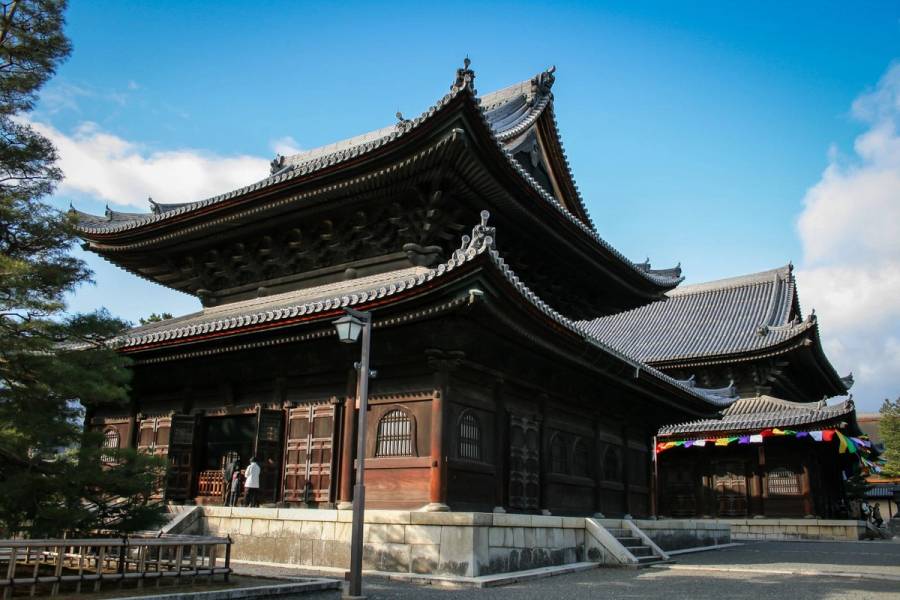
5.1. Taizō-in at Myōshin-ji
While everyone photographs the Golden Pavilion, fewer explore Myōshin-ji, one of Japan's largest Zen complexes in northwestern Kyoto.
The sub-temple Taizō-in features a karesansui garden designed by famous painter Kanō Motonobu. Cherry blossoms in spring, maple colors in autumn. Far fewer visitors than comparable gardens elsewhere.
5.2. Kōetsu-ji in Takagamine
Far north in the Takagamine district, Kōetsu-ji was established in 1656 by Hon'ami Kōetsu, a renowned artist and calligrapher.
Seven tea houses scatter throughout the grounds. Open mountain views create spaciousness. The autumn foliage (mid to late November) is excellent without crowds. In early May, fresh green maples and blooming azaleas are worth seeing.
6. How E-Bikes Make Temple Hopping Easy
Here's what most visitors don't realize: many hidden temples sit in areas poorly served by public transport. Ikkyū-ji requires a 25-minute walk from the station. Sennyu-ji sits atop a steep hill.
This is where Kyoto ebike tours excel.
6.1. Why E-Bikes Work Better
- Cover 3-4 hidden temples in one day instead of just 1-2
- Navigate hills effortlessly
- Reach temples in outlying areas like Kyōtanabe
- Enjoy the journey between sites
6.2. The Local Advantage
Bike tours Kyoto with local guides know which temples are crowd-free on any given day. They can share stories that make these places meaningful, not just photo stops.
A Kyoto cycling tour also shows you residential neighborhoods, local markets, and traditional cafés between temples. This creates a complete cultural experience that temple hopping alone misses.
7. When to Visit: Timing Strategy
Early Morning Wins
Arrive when temples open (usually 9:00 AM). You'll often have entire gardens to yourself. Morning light through autumn leaves or spring cherry blossoms creates the best photo conditions.
Weekday Advantage
Tuesday through Thursday see the fewest visitors. Weekends bring domestic tourists even to hidden temples.
Best Seasons
- Spring (March to May): Fresh green leaves, cherry blossoms, azaleas
- Summer (June to August): Visit early morning to avoid heat
- Autumn (September to November): Peak foliage season, but hidden temples stay manageable
- Winter (December to February): Snow covered gardens, very few visitors
8. Learning Temple Etiquette Basics
Hidden temples stay special because visitors respect their sacred nature.
Photography Rules
Always check posted signs before taking photos. Never use flash in temple buildings. Main halls and altar areas are typically restricted. Gardens usually permit photography.
Behavior Expectations
Remove shoes where indicated. Speak softly. Stay on designated paths in gardens. Don't touch temple furnishings or sacred objects. Bow slightly when passing main altar areas.
Goshuin (Temple Stamps)
Many hidden temples offer goshuin, artistic calligraphic stamps. Purchase a goshuin book (¥1,000 to ¥1,500) and collect stamps as meaningful souvenirs. Each temple's stamp is unique.
9. Sample One-Day Itinerary
9.1. Morning (8:00 AM to 12:00 PM)
- 8:00: Arrive Ikkyū-ji as gates open
- 10:00: Stop at traditional wagashi shop
- 11:00: Arrive Sennyu-ji area
9.2. Afternoon (12:00 PM to 5:00 PM)
- 12:00: Lunch at Higashiyama area (yudōfu or obanzai)
- 1:30: Explore Sennyu-ji main temple
- 2:30: Visit Unryū-in sub-temple, enjoy tea
- 4:00: Walk to nearby Imakumano Kannon-ji if time permits
- 5:00: Return to central Kyoto
10. Why This Matters for Sustainable Tourism
Visiting hidden temples isn't just about avoiding crowds. It's about sustainable tourism that preserves Kyoto's cultural heritage.
10.1. How You Help to Support Sustainable Tourism
Supporting lesser-funded sites: Famous temples receive government funding. Hidden temples rely on admission fees and donations. Your visit directly supports preservation.
Reducing infrastructure strain: Kyoto's buses and streets struggle with tourist concentration. Distributing visitors helps the city function better.
Preserving authenticity: When temples get overwhelmed, they lose the contemplative atmosphere they were designed for. Visiting quieter sites helps maintain what makes them special.
Respecting local life: Many hidden temples sit in residential neighborhoods. Small group tourism lets locals maintain quality of life while sharing their heritage.
11. Getting Started
Most meaningful Kyoto experiences don't happen at "must see" sites. They happen in quiet temple gardens with morning mist rising, or sitting in meditation halls listening to autumn leaves rustle.
Kyoto's hidden temples offer what famous sites once provided before overtourism: authentic encounters with Japanese cultural heritage, space for reflection, and peaceful beauty.
Whether this is your second Kyoto visit or your tenth, these lesser-known temples will show you something guidebooks rarely capture. The profound quietude of authentic Kyoto, where centuries of spiritual practice have shaped landscapes of beauty, waiting for those willing to venture off the beaten path.
Ready to explore Kyoto's hidden side? NORU Kyoto Bike Tours specializes in accessing these secret sanctuaries with local expertise and sustainable touring practices. Our small group e-bike tours make temple hopping effortless while respecting both Kyoto's heritage and its communities.
Frequently Asked Questions
The best hidden temples include Ikkyū-ji in Kyōtanabe (¥500 admission), Sennyu-ji and its sub-temple Unryū-in in eastern Kyoto (¥500 and ¥400), Kōetsu-ji in Takagamine, and Taizō-in at Myōshin-ji. These temples offer beautiful Zen gardens, autumn foliage, and Important Cultural Properties without the tourist crowds found at Kinkaku-ji or Kiyomizu-dera.
Yes, many Kyoto bike tours specialize in hidden temples. E-bike tours are particularly effective because they handle Kyoto's hills effortlessly and can reach temples in outlying areas like Ikkyū-ji (25 minutes from the nearest station). Bike tours let you cover 3-4 hidden temples in one day while exploring local neighborhoods between sites.
Visit hidden temples early morning on weekdays for the quietest experience. Autumn (mid-November to late November) offers spectacular foliage at temples like Ikkyū-ji and Unryū-in. Spring brings cherry blossoms and fresh green maples. Winter provides snow-covered gardens with almost no visitors. Arrive right when temples open at 9:00 AM for the best experience.
From Kyoto Station, take the JR Gakkentoshi Line to Kyōtanabe Station or Kintetsu Kyoto Line to Shin-Tanabe Station. From either station, it's a 20-25 minute walk or 5-minute taxi ride. Alternatively, join a Kyoto ebike tour that includes Ikkyū-ji, which makes the journey easier and provides local guide context about the temple's history.